

What One Simple Question Revealed About Japan
How one question showed me the kindness we see, and the struggles we don’t

As a kid, I learned early to look past the question and notice the reason it had to be asked.
Japan taught me to read the air long before we speak.
Most things are understood without being said.
You sense the room.
You protect harmony.
You avoid placing weight on someone else.
So when someone finally voices a question, I’ve learned to listen for the why.
Because here in Japan, what is unsaid often matters more than the words.
The Question That Stopped Me
Last year, this one question made me pause.
“Would you like to be an Elf?”
A volunteer helping pack holiday gifts for children in Japan.
It sounded simple. A yes or no.
But the why behind it pointed to something larger about Japan.
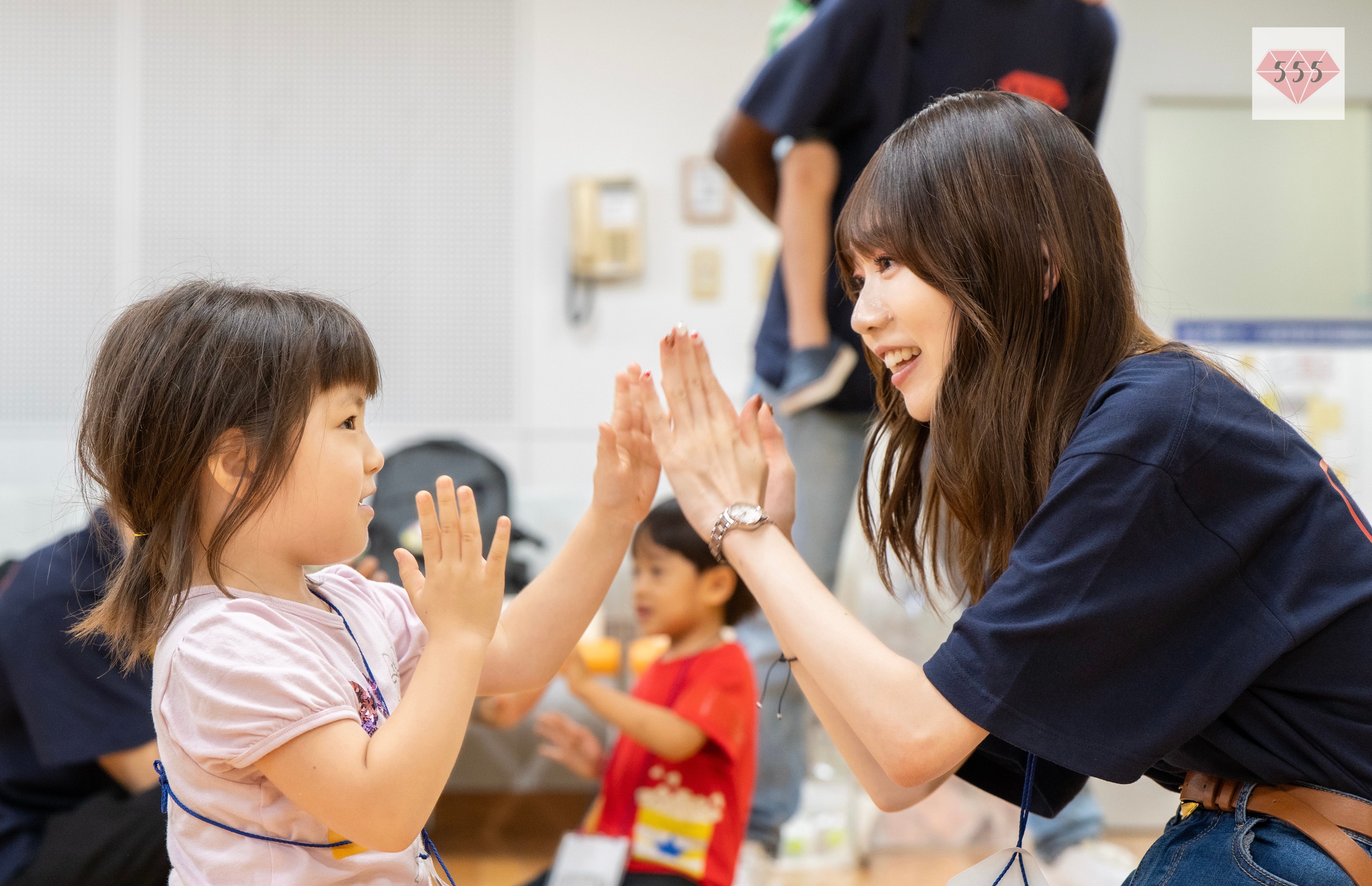
A story about this Japanese girl in the photo.
One of the 20,000 children from single-parent families who will receive a Christmas gift from the Elves because their families cannot afford a holiday celebration.
From the outside, Japan looks harmonious:
Safe streets. Trains apologize for a 60-second delay. Wallets come back with the cash still inside (I’ve unintentionally tested this…).
Daily life feels kind.
But helping strangers, volunteering, or giving to charity is less common here.
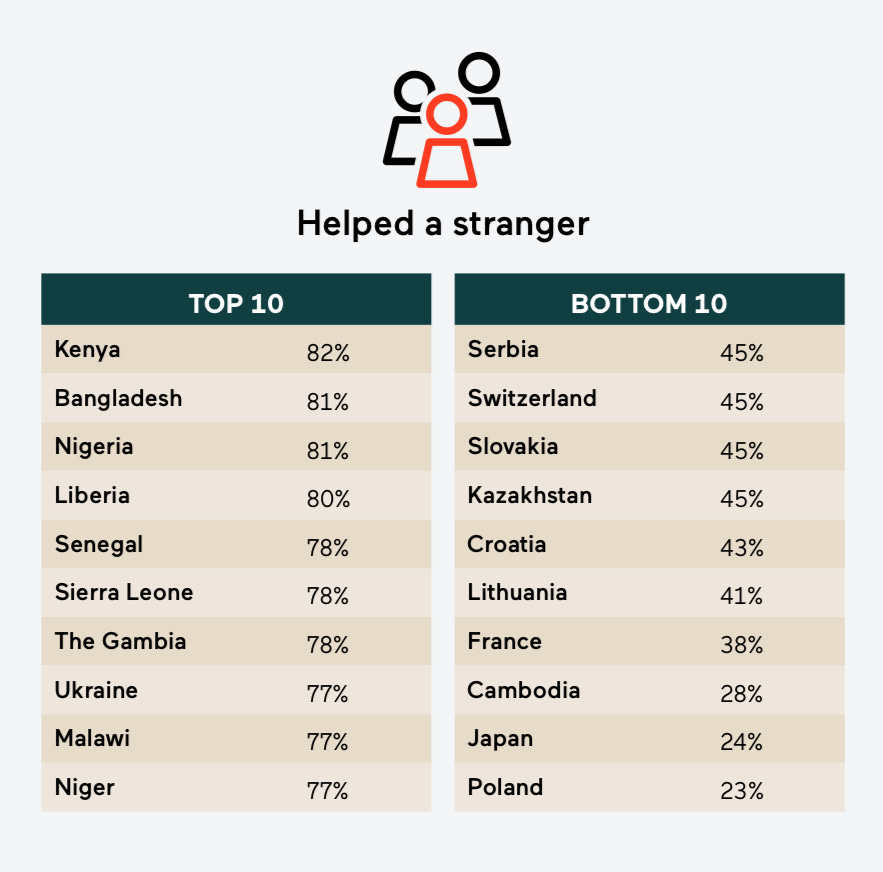
The World Giving Index places Japan near the bottom globally, including a 2024 rank of 141 out of 142 for “helping a stranger.”
Not because people don’t care.
But because we are raised not to impose, not to burden, and to trust institutions more than individuals.
What a Boy’s Thank-You Letter Taught Me
This summer, I joined an English camp for children from single-parent families.
The photo you see is her first time playing “A Sailor Went to Sea,” which explains the confused face, while I seem to be having more fun than she is.
At the end of the camp, we helped the kids write thank-you letters to their mothers.
One boy wrote:
“Thank you for cooking for me when you’re tired from work.”
Children notice more than we think.
Their mothers’ strength.
Their exhaustion.
Their effort.
Even when nothing is said out loud.
The Quiet Resilience of Single Mothers in Japan
Single mothers in Japan work some of the longest hours in the world.
They carry their families alone.
They show a quiet resilience that their children already see.
Yet many live with low self-esteem.
Years of doing everything alone, without recognition, can make anyone feel invisible.
Widening a Child’s World
That is why these holiday packing days matter.
They create moments where mothers feel seen.
Moments where children see their mothers being valued, not for enduring quietly, but for their strength and love.
My hope is simple:
I want each child to feel their future can be bigger than the world they see today.
Even a small moment of care can widen that view.
Two Truths About Japan
Japan is beautiful. But it is also quiet about its pain.
This one question showed me both truths at the same time.
The kindness that exists.
And the silence that hides it.
This December, I’m organizing a group again.
So I’m passing forward that same question:
Would you like to be an Elf this year?
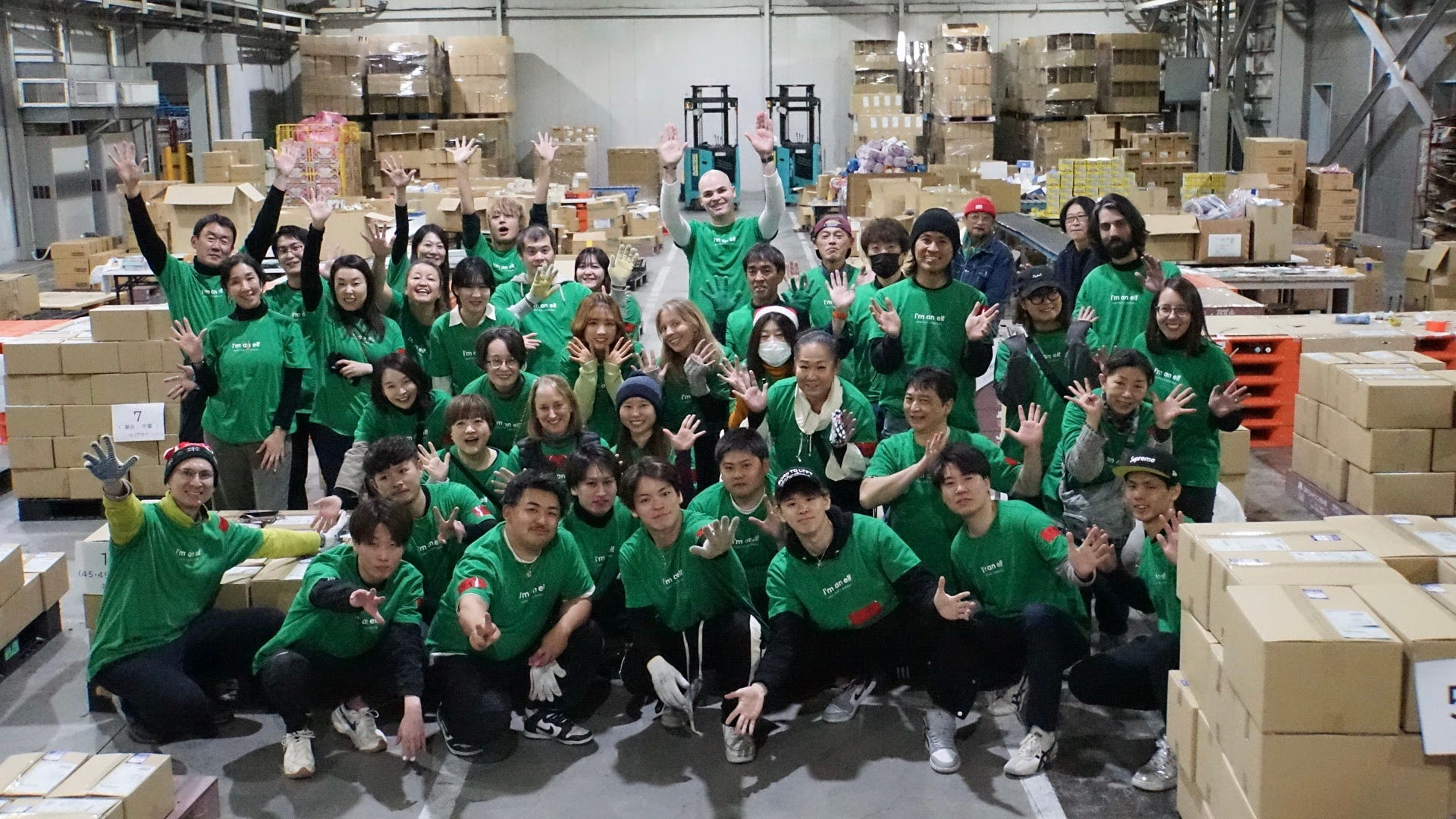
We will prepare holiday gift boxes for 20,000 children across Japan.
🎁 Packing Days (Saitama)
• December 13 (Sat)
• December 14 (Sun)
Join whichever day works for you. Both days are welcome. One day already makes a big difference.
Registration deadline: November 27
If you’d like to join, here’s the sign-up link: https://forms.gle/SgViaHCbgaD5kuwAA
→ We prepare T-shirts and lunch for you, so early sign-ups help.
If you’re outside Japan or can’t join this time, a simple comment or share helps this reach someone who might want to volunteer.
Thank you for reading.
A Question for You
What’s one small question you heard recently that made you pause for a moment?
I’ve been writing about the quiet shifts happening in Japan:
The small, everyday choices that reflect optimism.
The curiosity that challenges norms and opens doors.
The way traditions and ideas evolve, sometimes slowly but meaningfully.
Now, I’m bringing these stories together
because Japan’s story is changing, and I want to be part of it, in my own small way.
Telling its stories is my way of taking part.
I'm currently compiling a mini e-book featuring some of my favorite stories and insights. If you'd like to be among the first to read it, please subscribe.
I’ll send it your way when it’s ready.
I am so touched by your note. Can we do more so that people do not need to suffer in silence? I understand this well because I am one who silenced pain too.
Thank you for sharing Miki